Buffaloes, Rotis and Dreams: A Morning with Kapilaben
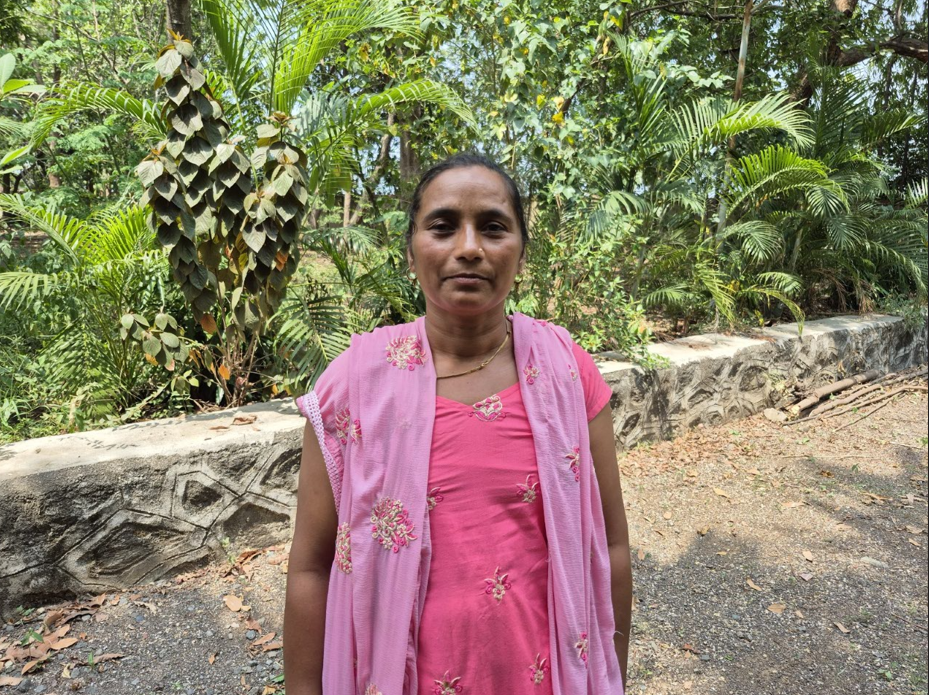
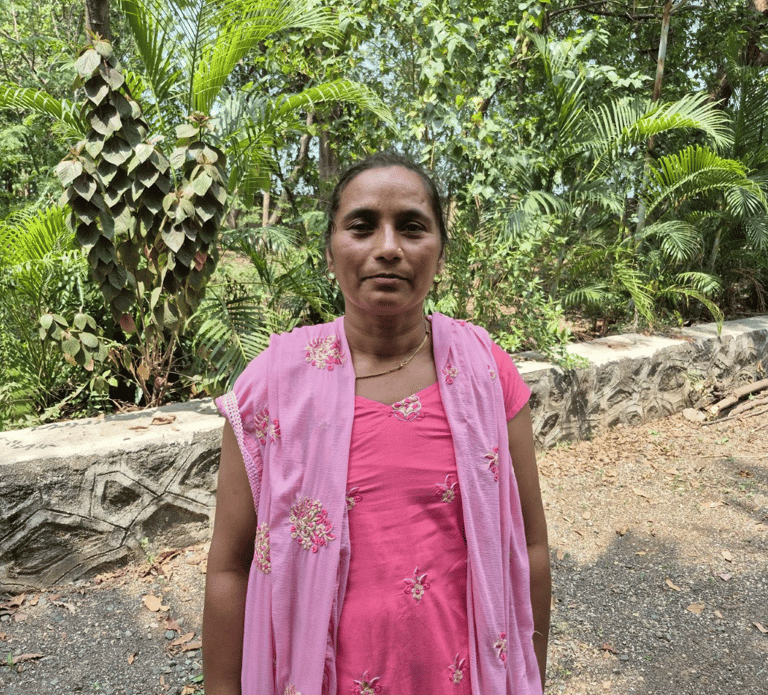
Gamit Kapilaben
If you pass through Motikhervan at sunrise, you might hear the gentle hum in Kapilaben’s home. Pots are washed, the first roti is placed on the fire, and somewhere, a buffalo waits for her hands.
Gamit Kapilaben is a widow and mother, living with her two children and in-laws in a house shaped by her effort, though not her name. Her husband’s accident took away more than a partner. It changed her son’s future, pushing him out of school to work as a tempo conductor. Her in-laws, kind but guided by tradition, care for her and the children. The walls offer shelter, but the property deeds never mention her.
Each day, Kapilaben works the land and tends the animals. Her fingers know the feel of damp earth, the rhythm of milking, the quiet trust of cows and buffaloes. She saves what little she can, placing a bit in her bank every month, building hope with each deposit. Animal husbandry stays steady for her, bringing some money for the household and a buffer against hard seasons.
Some days, her family’s support feels like a blessing. On others, old customs remind her that, while she has rights to use the house and land, the documents always carry someone else’s name. The comfort of running water, a toilet, a gas stove, and electricity make her day easier, but independence is always just out of reach.
Kapilaben’s heart pulls her toward something more. She dreams of learning to sew, shaping a future where her skill brings new income and pride. She shares this with us, not as a distant wish, but as a real plan. Her challenges are many: the uncertainty of land inheritance, the dependence on family decisions, the unpredictability of farm work. She faces them with quiet courage, never letting go of hope that she might earn in her own right.
Support does come. Sometimes as a government widow pension. Sometimes as schemes that lighten her load. Sometimes, a new idea grows from conversations with us. Together, we explore options—expanding animal husbandry, understanding land inheritance, seeking home assistance, applying for the Shramyogi card, or setting up sewing for self-employment. Each step, even if slow, moves her toward stability.
Ask Kapilaben what she wants most, and she will answer softly. A chance to work with her hands, to provide for her children, and to see the day when her efforts are fully her own. Not borrowed, not conditional, but quietly, completely hers.
At Single Mother Foundation, we walk beside women who carry the weight of families, even when the world tells them to wait. Change begins when support is personal, when government schemes and rights are shared face to face, and when every woman finds a path to earning with dignity. Our journey is about turning hope into lasting stability, one story at a time. If you wish to be part of this quiet transformation, write to connect@singlemotherfoundation.org.
Brought to you by Nishant Joshi, who hopes Kapilaben’s voice will reach where change is needed most.