
Baskets and Bare Hands: Young Widow Vasuben's Fight for a Future
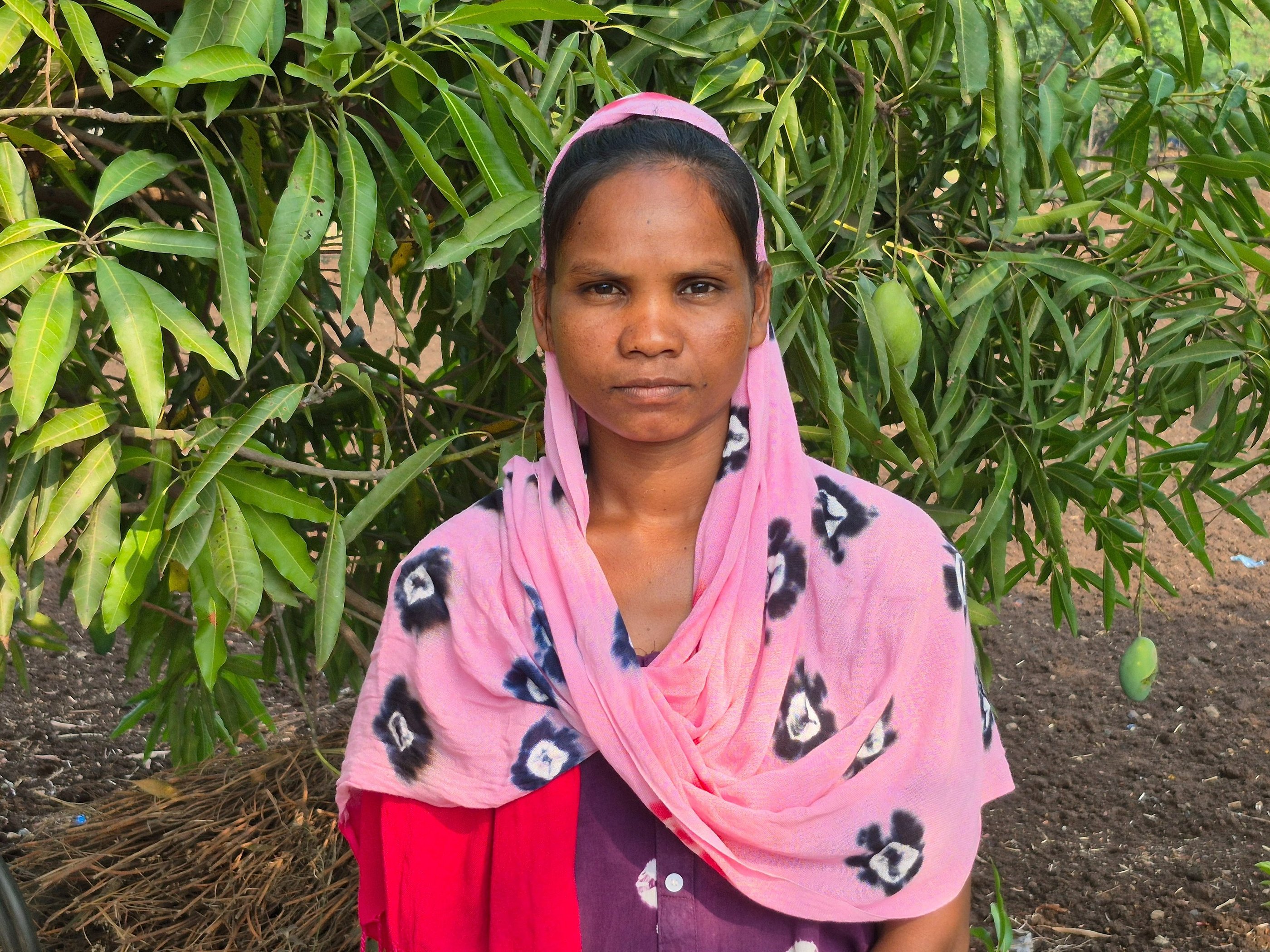
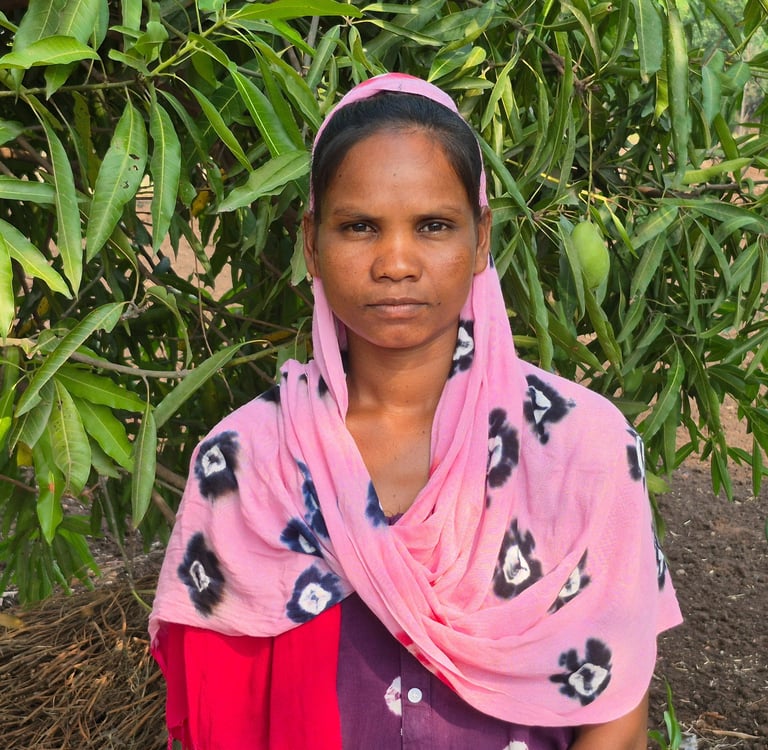
Kotvaliya Vasuben
In the village of Motikhervan, under a sky wide as longing itself, lives Kotvaliya Vasuben —a young widow, only thirty, her world stitched together by grit, patience, and dreams she dares not say aloud. She was married at a tender age, swept from girlhood into a life that was always weighed down by struggle. Her husband was a truck driver, gone often, and his earnings—meager as they were—once kept hunger from her children’s mouths.
Now, Vasuben stands alone, the provider for two children who press their notebooks against thin knees each night, trying to keep pace with lessons in a world that often seems just out of reach. She lives with her younger in-laws, in rooms where shadows fall heavy, and words can bruise. There is no space of her own. Sometimes the pain is spoken, sometimes only felt—an insistence that she should build a separate house, though money is scarce and hope even more precious.
Each morning, Vasuben wakes with a resolve that outlasts her weariness. She sets out to find work, hands roughened by labour, her sari hem gathering the dust of the day. When there is bamboo in the forest, she will cut and carry it back, fingers turning each piece into baskets she sells to keep her family afloat. The price of bamboo is often too high, but resourcefulness is her inheritance, even if land and home are not.
Her only steady support is a widow’s pension, just enough to buy twenty-five kilograms of rice each month and to put a little food on the table. She tries, with everything she has, to keep her children in school, but the cost of uniforms, notebooks, and dreams sometimes feels beyond her reach. She wants more for them—more than what her hands can hold.
There are days Vasuben dreams of animal husbandry, of raising goats or cows to build a better life, but the investment is always just beyond her means. She wishes for a house of her own, a place where kindness is not rationed and dignity has a door that closes gently at night. Still, she does not break. Her courage is in every quiet act—mending a torn uniform, sharing a handful of rice, turning another basket from bamboo brought home on aching shoulders.
Her needs are simple: bamboo to fuel her craft, help for her children’s schooling, a gas connection, and, above all, the promise of a home.
At Single Mother Foundation we stand with women like Vasuben, whose strength turns adversity into action and whose courage keeps the flame of hope alive in even the smallest homes. We believe real change begins when opportunity, information, and support reach the hands that need them most. Every story we share lights the way for another. If you want to help single mothers like Vasuben shape a future of their own, write to connect@singlemotherfoundation.org.
Brought to you by Nishant Joshi, who believes voices like Vasuben’s remind us how quiet resilience can become the loudest call for change.